Walk off a plane at Hartsfield-Jackson and the first thing you feel is motion. Escalators glide, trains hum beneath the terminal, luggage wheels whisper across polished floors. ATL moves fast, and the city that surrounds it moves faster. If you are in town for a board meeting, a film production, a medical conference, or a playoff game that just got rescheduled, speed is only half the story. Precision, privacy, and stamina are the rest. That is where a tailored Airport Chauffeur Service earns its keep.
I have shepherded executives through weather delays, film crews through dawn call times, and visiting professors across campus traffic at shift change. The goal is always the same: step off the plane, step into a vehicle, step into the room ready to contribute. With the right ATL Chauffeur Service, the space between curbside and conference room becomes a controlled, quietly productive buffer.
The rhythm of ATL and why it matters for ground transfers
Hartsfield-Jackson is massive. On an average weekday, passenger counts rival the population of a small city. That scale affects everything from taxi queues to TSA wait times to how quickly a rideshare can find you at the right island. The airport’s domestic terminal splits into North and South sides. The international terminal sits apart, with its own access road and parking. Inside, the Plane Train links seven concourses to the domestic atrium. These details sound routine until a flight diverts from the international terminal to Concourse D, your luggage is late, and your driver is waiting at the wrong meeting point.
An experienced Airport Chauffeur Service builds ATL’s quirks into their playbook. Drivers check inbound flight data against gate assignments, watch for last-minute changes, and adjust pick-up locations accordingly. When the airport is the size of a city, fifteen minutes saved between gate and curb is the difference between a harried sprint and a measured walk.
What stress-free actually looks like
“Stress-free” is a phrase that gets overused. In the airport transfer world, it has a tangible definition. It starts with pre-trip homework and ends with a smooth handoff at your destination. That middle part, the messy bit with variables, is where service quality shows.
The moment your flight pushes back, a good dispatcher confirms your tail number or commercial flight status and maps the ETA against ground traffic in real time. If weather disrupts arrivals into ATL, cars are re-staged. If a downtown protest closes a corridor, routes pivot to the connector side streets or cut through the Old Fourth Ward. A driver texts you at the top of descent with clear instructions, not a generic message. When you step off the escalator, your name is on a tablet at the right door, not buried in a sea of signs at the wrong terminal. If you need to stop for coffee or a quick wardrobe change, that gets folded into the drive without drama.
The last ingredient is mindset. The best chauffeurs treat the cabin as a rolling preparation room. They keep conversation attuned to your cues, handle temperature requests without fuss, and tune the cabin lighting and noise level for either phone calls or quiet. It sounds small until you ride with someone who blasts radio ads while you are trying to reframe a presentation.
Why Atlanta business travelers outsource the first mile
Atlanta is a meetings town. Headquarters cluster in Midtown and Buckhead, studios have multiplied on the south side, and the Georgia World Congress Center can swallow ten events at once. With that density, the first mile from the airport sets the tone. Executives fly into ATL for same-day meetings more than almost any city I have worked in. That means there is little margin for the transfer. You may need Wi-Fi, a printed agenda, a car that fits both you and two hard cases, and a driver who can navigate the hotel loading dock behind a ballroom whose address does not show up on maps.
Rideshare serves a purpose, but when the stakes involve a board vote or a live broadcast window, you remove variables. Chauffeur Airport Transfers exist to remove them. If the flight is late, the car remains on standby. If the passenger list shifts, an operations team reassigns vehicles across a fleet instead of hoping an algorithm finds a spare driver. If you need a stretch of silence to review an investor deck, you get it, not a carpool with two extra stops. That predictability is worth more than the difference in fare.
From touchdown to wheels rolling: how the best pickups work
There are a dozen ways an airport pickup can stumble. The smooth ones follow a sequence honed by repetition. The most reliable versions share a few common moves.
A professional ATL Chauffeur Service verifies your tail number or flight number and monitors inbound changes starting an hour before scheduled arrival. If you are in First or Delta One, deplaning speed affects the timing. If you are on a regional jet that parks at T gates, know that the walk is shorter. A driver texts you with the exact meeting point: curbside at North baggage claim door N5, or inside by carousel 3, or at the international arrivals meet-and-greet desk near exit A2. Those details matter because ATL has multiple doors labeled similarly, and arriving on the wrong side can cost 20 minutes.
If you requested inside service, the chauffeur waits at the bottom of the escalator with a sign, helps collect luggage, and guides you to the nearest exit that avoids the worst of the crowd. For curbside, the car loops in a staging area until you signal readiness, then pulls up right as you step out. In both cases, the trunk opens before you reach the bumper, and the only question you should hear is, “Still headed to the Westin Peachtree downtown, or have plans changed?” That last part is deliberate. Plans often do change in the air, and a quick confirm saves half an hour of wrong-way driving.
The conference room is the real destination
When you judge an Airport Chauffeur Service, judge it by how you feel walking into the meeting. Did you arrive five minutes early with your notes reviewed, or rushed and dehydrated because the driver took the connector at 4:45 p.m. on a Friday? A good ride gives you what you need to switch gears. For some, that is quiet and a laptop tray. For others, it is a short debrief with a colleague on speaker for the first ten minutes, then silence to reset.
I once worked with a technology firm that had to make a case to a skeptical client in Buckhead after a scrambled morning flight. We arranged rolling prep between Hartsfield-Jackson and the office. The car was set with bottled water, a printed deck, two device chargers, and a mounted tablet Long Distance Limo Service with the agenda. The driver adjusted route twice around a wreck on 85 and a temporary lane closure near 17th Street. The team walked in not only on time, but with heart rates back to normal and a shared plan fresh in mind. They won the contract. The transfer did not clinch it, but it made the best version of them show up.
Fleet matters more than logos
You can gauge a provider by the condition and variety of its fleet. Sedans like the Mercedes S-Class or BMW 7 Series absorb road noise and deliver a steady ride that lets you write or read without eye strain. SUVs such as the Escalade or GLS are workhorses for luggage and teams of three or four. Sprinters solve a different problem, moving six to twelve people with gear while letting a project manager use the aisle as a floating command post.
I have seen vehicles that shine on the outside and rattle on the inside. That is not what you want. Look for tight door seals, fresh suspension, working rear climate zones, a clean headliner, strong rear-seat lighting, and chargers that charge fast. The details tell you about maintenance discipline. If there is a stale smell, worn carpets, or a jumble of mismatched cables, assume the operation cuts corners elsewhere. Providers like Atlanta Elite Limo, which keeps newer model years and rotates cars before they reach the squeak-and-rattle phase, reduce the chance of en route distractions. Whether you choose them or another operator, ask the same questions: model year range, maintenance cadence, and substitution policy if the assigned car goes down.
The human factor: chauffeurs as trip managers
A chauffeur is not a driver. The difference shows up when things go wrong. Flights divert to Augusta, luggage rides the wrong carousel, the event venue changes loading hours, or a last-minute guest joins with a bulky case. The chauffeur who thinks like a trip manager stays calm, offers options, and communicates clearly without asking you to solve the problem.
The best I have worked with in Atlanta carry a mental map that includes back entrances, hotel service drives, and which corridors jam when the Hawks have a home game. They know that Piedmont Park events push traffic onto Monroe, that the airport’s South loop snags after 5 p.m., and that the I-285/I-20 interchange can be a coin toss after rain. They watch non-obvious signals, like a sudden drop in speed on the Waze heat map or a flight deck note about gate changes. They also know when to say nothing. Silence is a service when you are recalibrating a pitch deck.
Trust is built in micro-moments: offering an umbrella, having a lint roller, opening the door without holding it in a way that blocks a dress, steering with smooth inputs so your laptop screen does not wobble, pulling to the correct side of a one-way driveway so you step onto the sidewalk, not traffic. Those are tradecraft details. They are teachable, but only show up consistently in operations that make them non-negotiable.
Timing ATL: realistic travel windows
If you are planning meetings, build your schedule around how Atlanta actually moves. Morning rush peaks between 7:15 and 9:00, with a second pulse near 9:30 when late starters merge in. Evenings peak from 4:15 to 6:30, stretching later on Fridays. Rain adds 15 to 30 percent to travel time. A fender bender on 85 can double your drive. If your destination is Midtown, the airport to 14th Street can be 20 minutes on a good day, 45 on a normal day, and limo 70 on a messy Friday with weather. Buckhead can range from 30 to 60 minutes. Decatur is surprisingly predictable outside of school release hours. The west side around the stadiums swings widely based on event schedules.
With those ranges, the safest approach is to tier your timing. If you land at 3:00 p.m. for a 4:30 meeting near Peachtree Center, build in a buffer you can use productively. A chauffeur can stage a brief coffee stop or a quiet sit in the car in front of the building if you arrive early. If you must cut it close, tell operations up front, and they will prioritize the route, staging position, and driver who knows those blocks best.
Curbside vs meet-and-greet: not just a price difference
Curbside pickup at ATL can be efficient when you travel light and know the terminal. For a first-time visitor, international arrivals, or a group with equipment, meet-and-greet inside the terminal is worth the added fee. During peak hours, finding the right island can be slow, and security patrols keep curbside pickups moving. A chauffeur inside the building creates a bubble of calm sooner, helps with baggage, and shortens the decision-making path. For VIP or security-sensitive travelers, the inside option also reduces public exposure and wandering time.
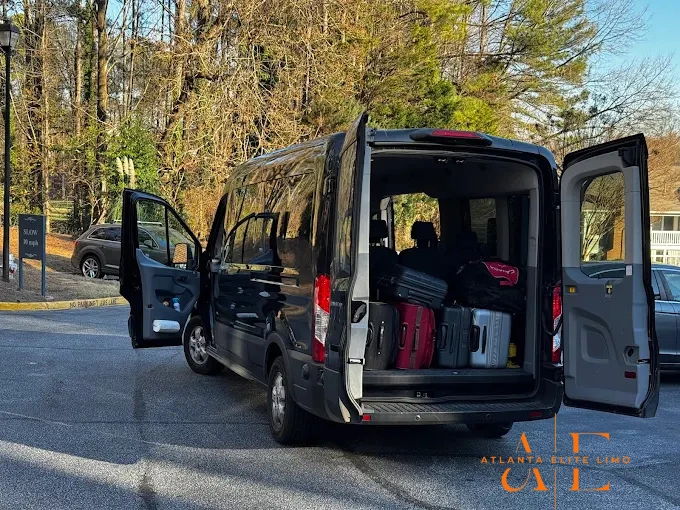
I have seen teams try to save on meet-and-greet and spend that savings three times over in lost minutes and frayed nerves. Conversely, I have helped frequent ATL travelers shave five to ten minutes by going curbside with a driver who times the pull-up precisely. Fit the method to the passenger and the day.
When the itinerary changes midair
Atlanta’s network of Fortune 500s and production schedules means meetings shift. A good provider anticipates that chaos. I have been on calls where a client learned midflight that the meeting moved from Downtown to Sandy Springs. The operations desk rerouted two cars, notified drivers, recalculated ETAs, and pushed updated links to the passengers before the plane touched down. That level of choreography is where a provider earns trust. If your trip includes multiple stops, a rolling change log shared between driver and dispatcher keeps everyone aligned. Written confirmation of each change cuts down on misheard street names that sound similar.
Most travelers are polite about last-minute changes. The professionals in the driver’s seat match that energy. They do not complain about detours or make you feel like you have complicated their day. They simply restate the plan, get moving, and keep you informed as traffic evolves. If you are working with a company like Atlanta Elite Limo that has scale in the city, they can swap vehicles on the fly without leaving you stranded if hours of service come into play. Smaller operators can do excellent work too, but ask how they handle mid-trip changes.
Security, privacy, and discretion
Atlanta hosts people who value discretion: athletes, artists, founders, and public officials. The expectations are simple. No photos. No social media. No chatter about who rode where or said what. Windows up when crowds gather. Routes chosen to reduce exposure. Pickups arranged out of public sight where possible. If you need more robust security, a chauffeur can collaborate with your protective team. For corporate clients, privacy is equally about information. That means no visible company slides on a shared screen, no address details spoken loudly on speakerphone near others, and a cabin where calls do not broadcast. Look for operators who train for discretion explicitly and make it part of their culture, not just a bullet point on a website.
The small amenities that make a big difference
A bottle of water and a phone charger seem minor until you do not have them. After dozens of trips, a pattern emerges. USB-C and Lightning cables should be in the back seat already. A clean cloth mask in the console is still appreciated by some passengers in medical or eldercare fields. A lint roller helps after a long flight in a dark suit. Wet wipes fix a coffee spill. Mints that are sealed signal hygiene. Reading lights positioned to avoid glare make late edits easier.
Temperature matters more than people admit. A car that starts a few minutes before you arrive can be cooled in summer or warmed in winter so you do not sweat through your shirt or shiver through your call. Music off or low by default, with quick access if you request it. If you are traveling with kids, a pre-installed booster saves time. If you are carrying equipment, a tarp and straps can prevent cases from sliding. These are maintenance-level details, but they add up to a feeling of competence.
Choosing the right ATL Chauffeur Service for your needs
For a one-off trip, you can take your chances. For recurring travel, pick an operator with a track record in Atlanta. Ask about driver tenure, not just vehicle count. Tenured drivers know the airport and the city in a way newcomers do not. Ask whether dispatch is local 24/7 or outsourced. When things go sideways, a local desk solves it quicker. Verify commercial insurance, permits for airport pickups, and whether the company can provide written confirmations, receipts, and W-9s if your accounting requires them.
Atlanta Elite Limo is one name many corporate travel coordinators have on file because they check those boxes and maintain consistency. There are others with strong reputations too. The brand matters less than whether the operation can scale to your pattern of travel and maintain the same standards over time. If your team grows from one traveler per month to eight per week, the provider should adapt without quality dipping. If you have global travel, ask about affiliates in other cities. Good operators maintain vetted networks, so the standard you like in Atlanta travels with you.
When a sprinter beats three sedans
Think in terms of travel patterns, not just individual trips. If your company flies four people into ATL on similar schedules twice a week, consider consolidating in a sprinter or executive van from airport to office. It reduces per-person cost, keeps the team together for a quick sync, and cuts your curbside footprint during heavy traffic. The trade-off is flexibility. If one traveler’s bag goes missing, the whole group waits unless you have a contingency. Some clients split the difference by sending the first arrivals in a sedan and holding a van for the remainder, then using that van for a lunch shuttle later. An operator that understands your rhythm can propose those efficiencies. Over a quarter, the savings add up, not just in dollars, but in cognitive load.
Edge cases: late-night landings, weather, and special events
Atlanta storms can pop up late summer and stall flights in a heartbeat. If you land after midnight with delays rippling across the region, curbside can look chaotic. A reliable chauffeur service keeps a car live at that hour, even if it means swapping drivers to stay within hours-of-service rules. They will also know which gas stations are open, which hotel entrances are staffed, and which loading zones are safe after hours.

Special events change the grid. SEC Championship weekend, Peachtree Road Race, Pride, Dragon Con, Taylor Swift at Mercedes-Benz, or a Hawks playoff run can transform traffic profiles. Your route to Midtown might be perfect on Thursday and impassable on Saturday afternoon. A driver who watches the event calendar plans around closures and advises earlier departures. If your meeting is near a venue, they will often preload an alternative drop that uses a service drive or a less-known cross street.
A simple pre-trip checklist you will actually use
- Share flight number, passenger mobile, and luggage count at booking so dispatch can size the vehicle right and track inbound changes. Confirm pickup style: inside meet-and-greet or curbside, with exact door numbers for ATL’s North, South, or international terminals. Provide the meeting location’s true drop point, not just the street address, plus any dock or service entrance instructions. State your priorities: quiet cabin, Wi-Fi hotspot, charger types, preferred temperature, or a stop en route. Build a buffer if your session is high stakes, and tell the operator if the timing is tight so they assign a driver with deep route knowledge.
How pricing fits into the equation without running the show
Chauffeur Airport Transfers cost more than a basic rideshare, and they should. You are paying for a layered service: vehicle quality, trained chauffeur, dispatch that monitors flights and traffic, commercial insurance, airport permits, and a team that stands behind the ride when a curveball hits. Even so, pricing varies. Flat airport rates to downtown or Buckhead reduce uncertainty. Hourly charters make sense for multi-stop days with potential waiting time. Surge pricing is rare in this segment, but peak event premiums exist. Transparent pricing lets you plan and avoids awkward conversations when a meeting runs long. If a quote is dramatically lower than competitors, ask what is missing. The difference usually lives in the insurance, the age of the fleet, or the absence of a live dispatch team.
Turning the car into a short productive sprint
Some travelers use the ride to decompress. Others want to squeeze value out of every minute. For the latter, the car can be a focused workspace. Ask for a hotspot or bring your own, and sit on the passenger side rear for the best balance of space and stability. Use a small folio or lap desk. If you need to present on the go, a sprinter with a table makes sense, but a full-size sedan can handle a quick run-through if the driver keeps inputs gentle. Agree on a no-ramp policy for calls if possible, since on-ramps are where acceleration noise spikes. If confidentiality matters, use in-ear headsets and keep names vague when discussing sensitive topics. Done right, you can enter the building having already previewed your opening and closed two small loops.
What to expect from a well-run dispatch desk
Most clients interact with the driver and the invoice. The quiet hero is dispatch. They are the ones who see a gate change early and text the chauffeur to shift from South to North. They match driver personality to client preference. They coordinate multi-vehicle events so that sedans, SUVs, and sprinters do not stack at the same curb and draw attention. They time pre-calls so that you receive messages when you can read them, not when you are still taxiing. If you call for an update, a human answers and offers a solution, not a script. That level of support is what differentiates an ATL Chauffeur Service from a listing of cars and drivers.
When the meeting runs long and dinner pops up
The day rarely ends when the presentation does. You might head from Midtown to a restaurant in Inman Park or a private room in Buckhead Village. If the driver has an hourly charter, staying on is easy. If it is a point-to-point, a quick call to dispatch can convert to hourly. A good chauffeur anticipates the pivot, keeps the car positioned nearby without drawing attention, and offers a suggestion if your chosen spot has tough valet logistics. If your guests need rides after dinner, the same operation can cascade vehicles to get everyone home safely. That continuity removes the friction of rebooking and keeps the day coherent.
A final word on fit and follow-through
No single operator is perfect for every traveler, and not every trip requires a full-service Airport Chauffeur Service. The point is alignment. If your travel includes high-stakes meetings, multiple changes, and a premium on calm, invest in a partner that knows Atlanta in its bones. If you fly in with a carry-on for a casual lunch, you might grab a taxi and be fine. Most professionals live somewhere in between. They want a service that feels like a trusted colleague: quiet when needed, proactive when it matters, steady through disruption.
Atlanta rewards preparation, and it forgives almost anything when you arrive with your head clear and your timing intact. Choose a provider that helps you do that consistently. Whether you work with Atlanta Elite Limo or another seasoned team, hold them to standards that match the tempo of this city. When you step from curbside to conference room with shoulders relaxed and notes ready, you will know you chose well.